
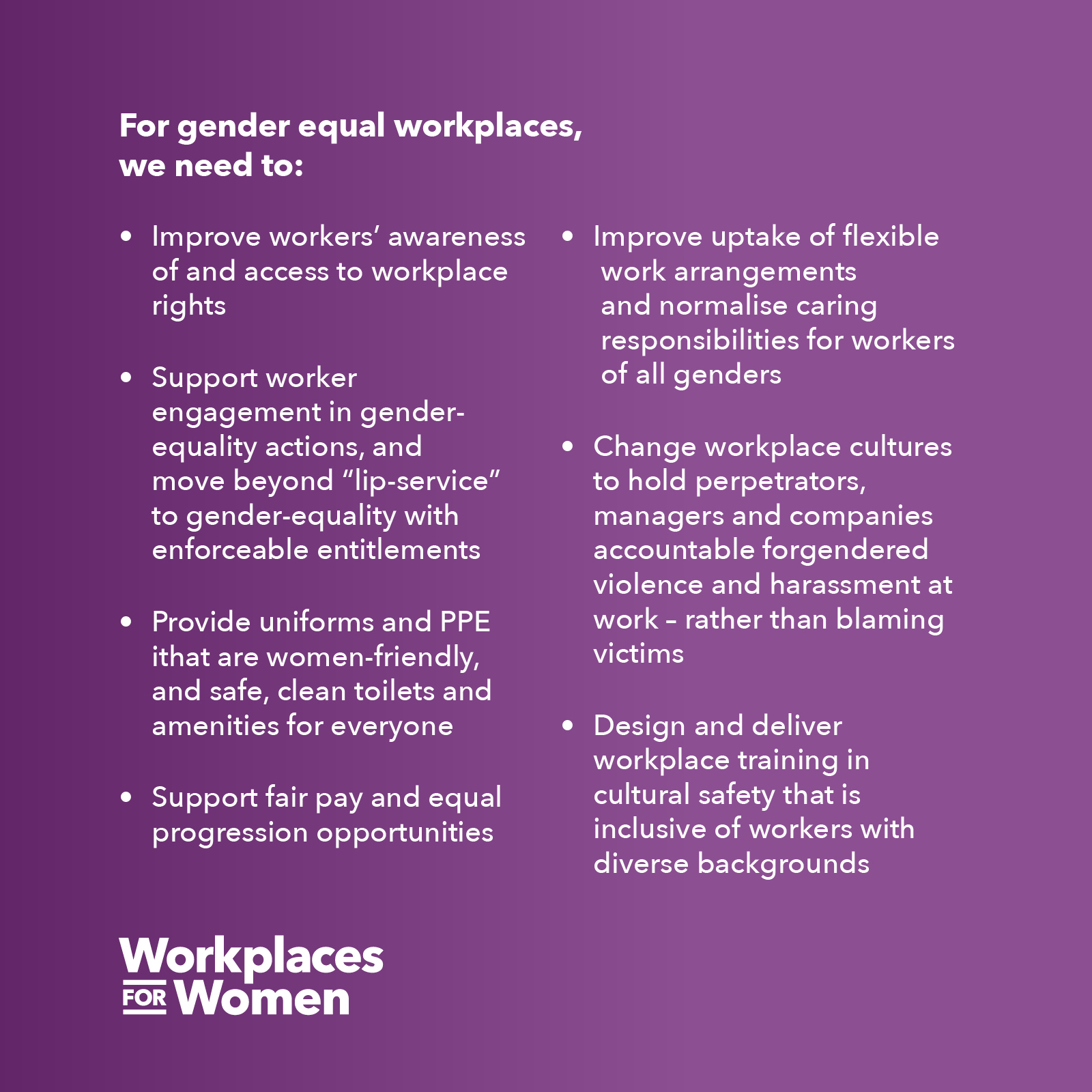
A major new study urges employers to take practical steps to support women in male-dominated industries, recommending businesses support worker engagement in gender equality policies, establish transparent pay progression to address gender segregation, improve uptake of flexible work arrangements, and strengthen accountability mechanisms to address workplace bullying, harassment and discrimination.
"It turns out I'm good at it!": Women’s insights from male-dominated industries is based on first-hand accounts from workers in male-dominated industries. 616 workers (491 women workers) participated in the research, of which 403 workers are from historically male-dominated areas, such as manufacturing, warehousing and logistics, and transport. This report identifies 10 barriers to gender equality in male-dominated industries and makes 7 recommendations.
A major new study urges employers to take practical steps to support women in male-dominated industries, recommending businesses support worker engagement in gender equality policies, establish transparent pay progression to address gender segregation, improve uptake of flexible work arrangements, and strengthen accountability mechanisms to address workplace bullying, harassment and discrimination.
"It turns out I'm good at it!": Women’s insights from male-dominated industries is based on first-hand accounts from workers in male-dominated industries. 616 workers (491 women workers) participated in the research, of which 403 workers are from historically male-dominated areas, such as manufacturing, warehousing and logistics, and transport. This report identifies 10 barriers to gender equality in male-dominated industries and makes 7 recommendations.
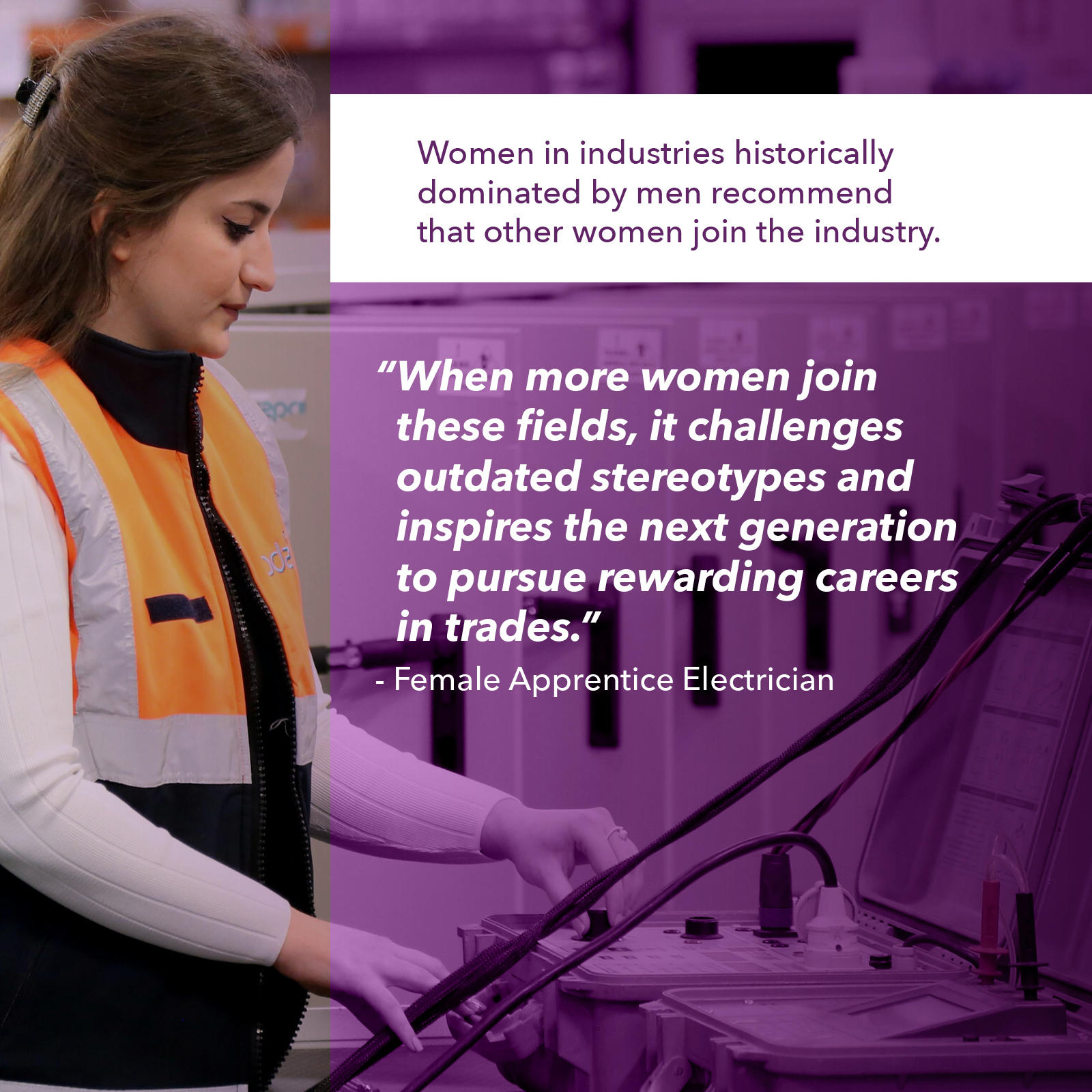
The report also highlights the significant benefits women in male-dominated industries experience in their work.
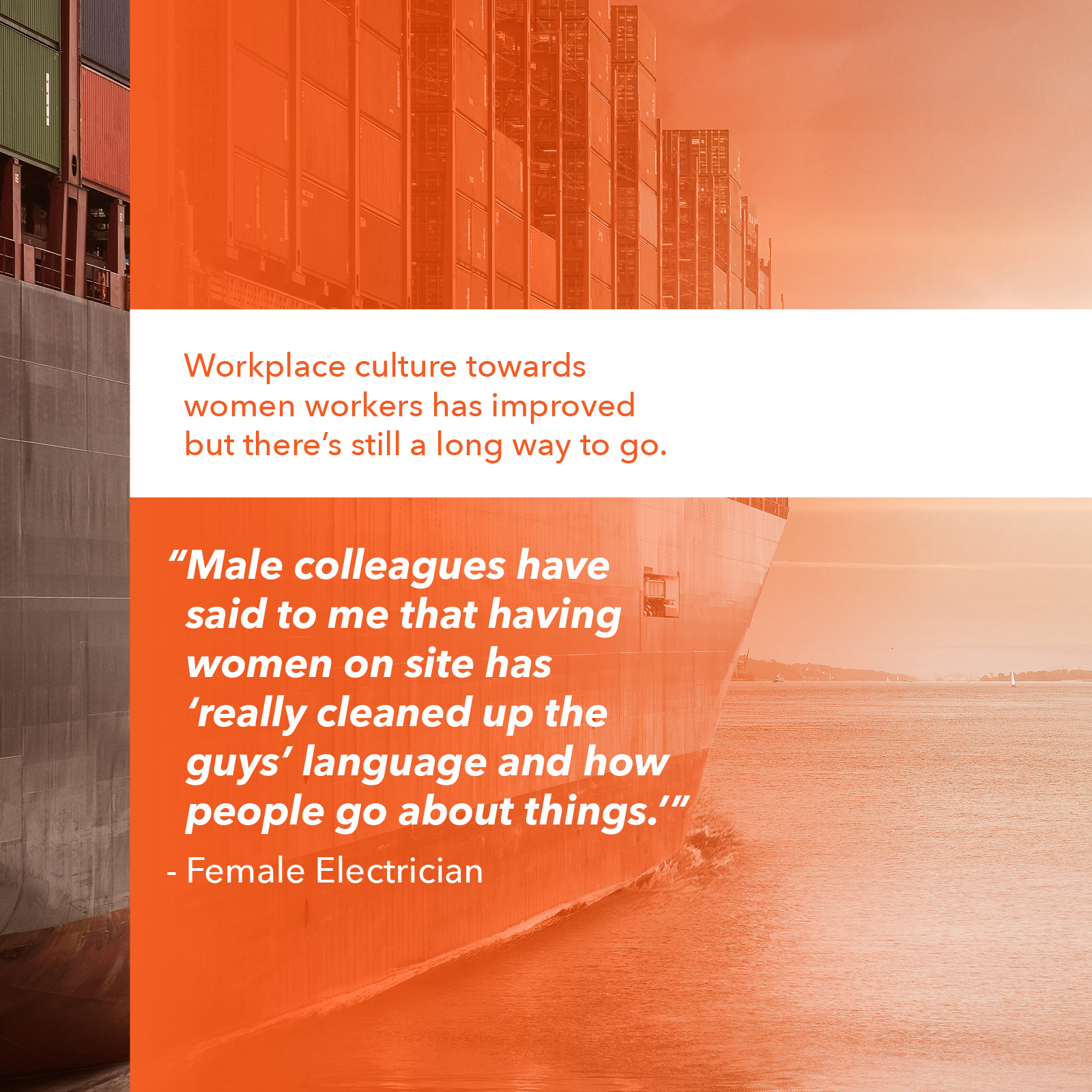
Although women in male-dominated industries report that their workplaces are still noticeably unequal, they also say that things are gradually getting better for women workers.
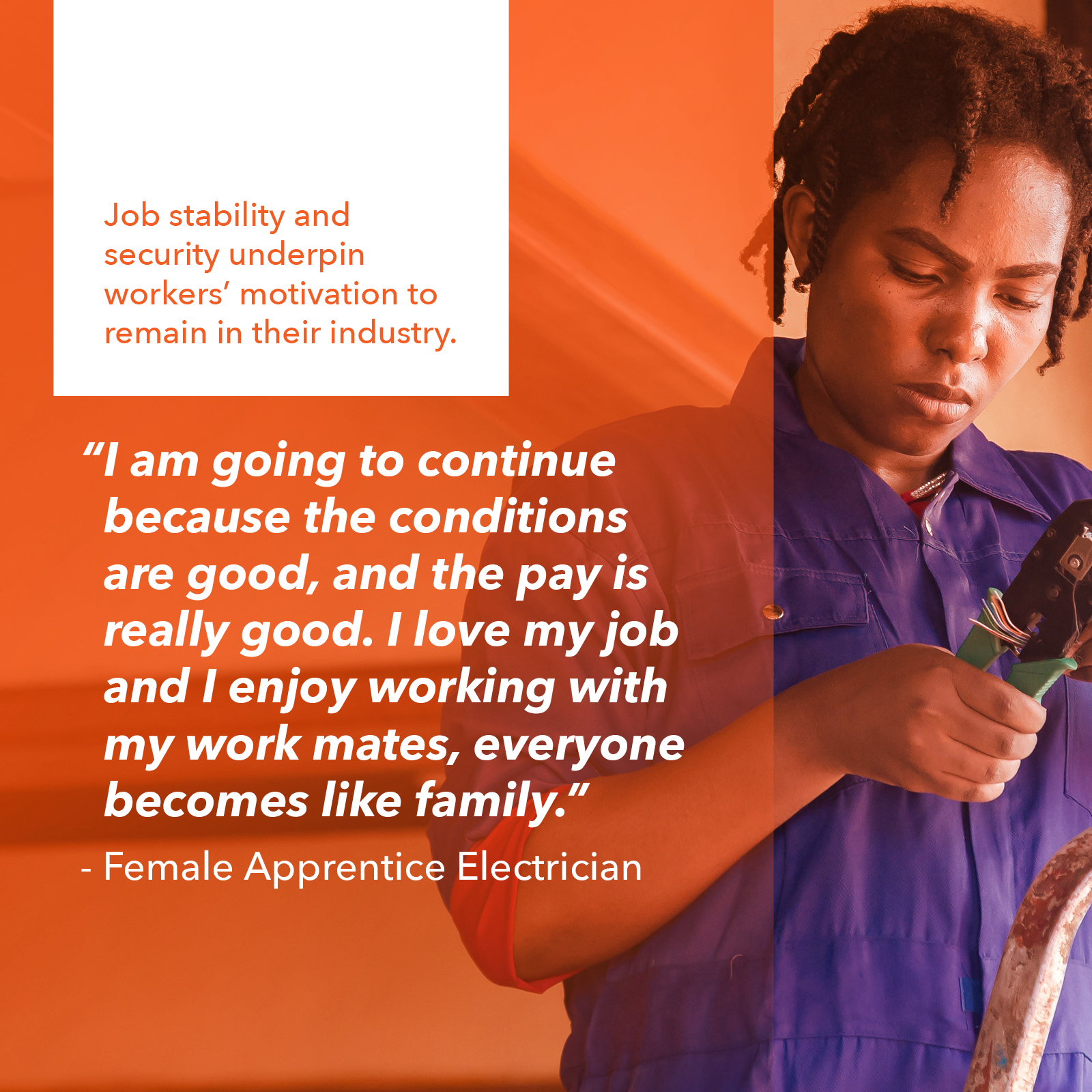
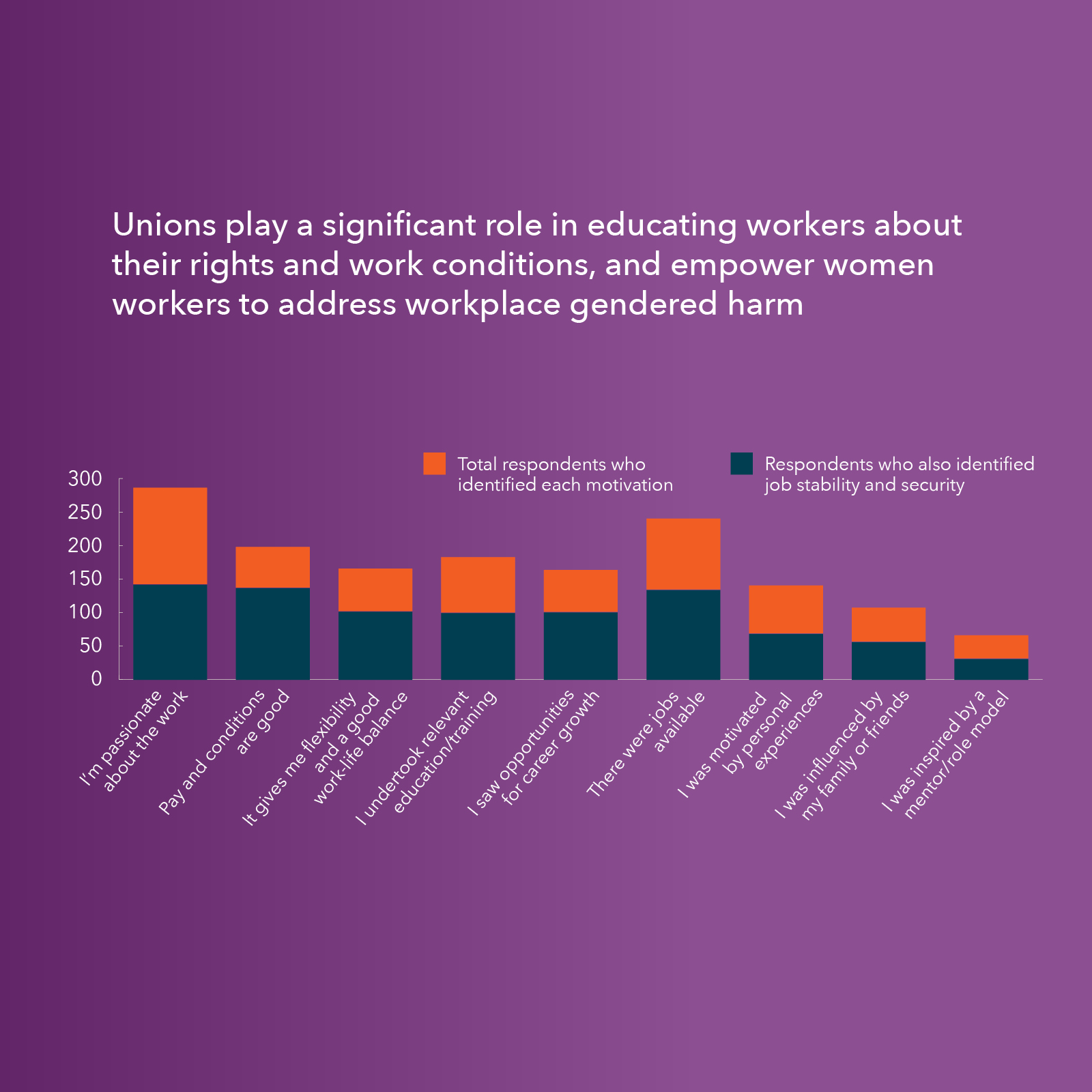
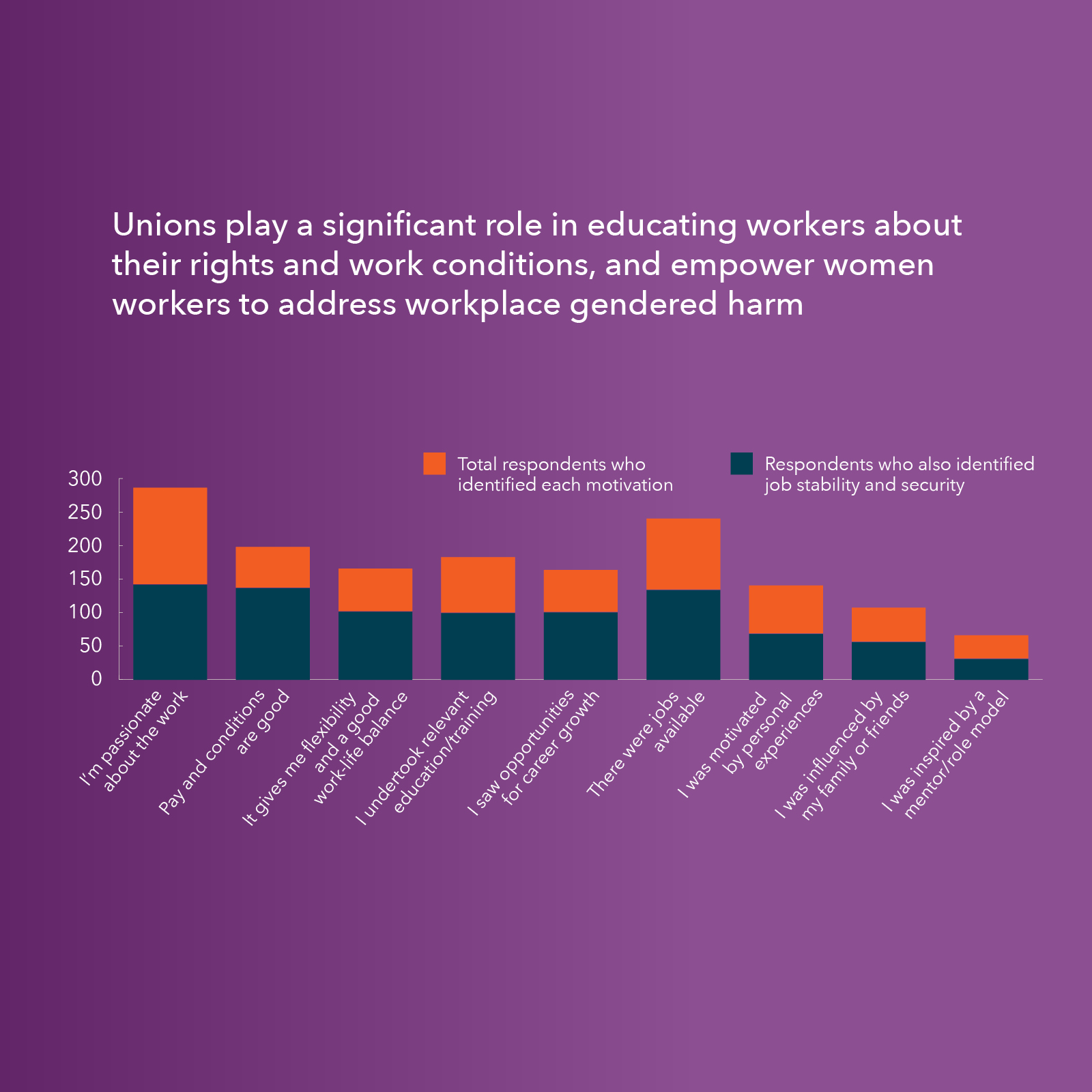
Women are very positive about the opportunities for job stability and security in male-dominated industries. Across all industries, women report that the treatment of women in the workplace has improved, and rate experiences in their industry as somewhat positive.
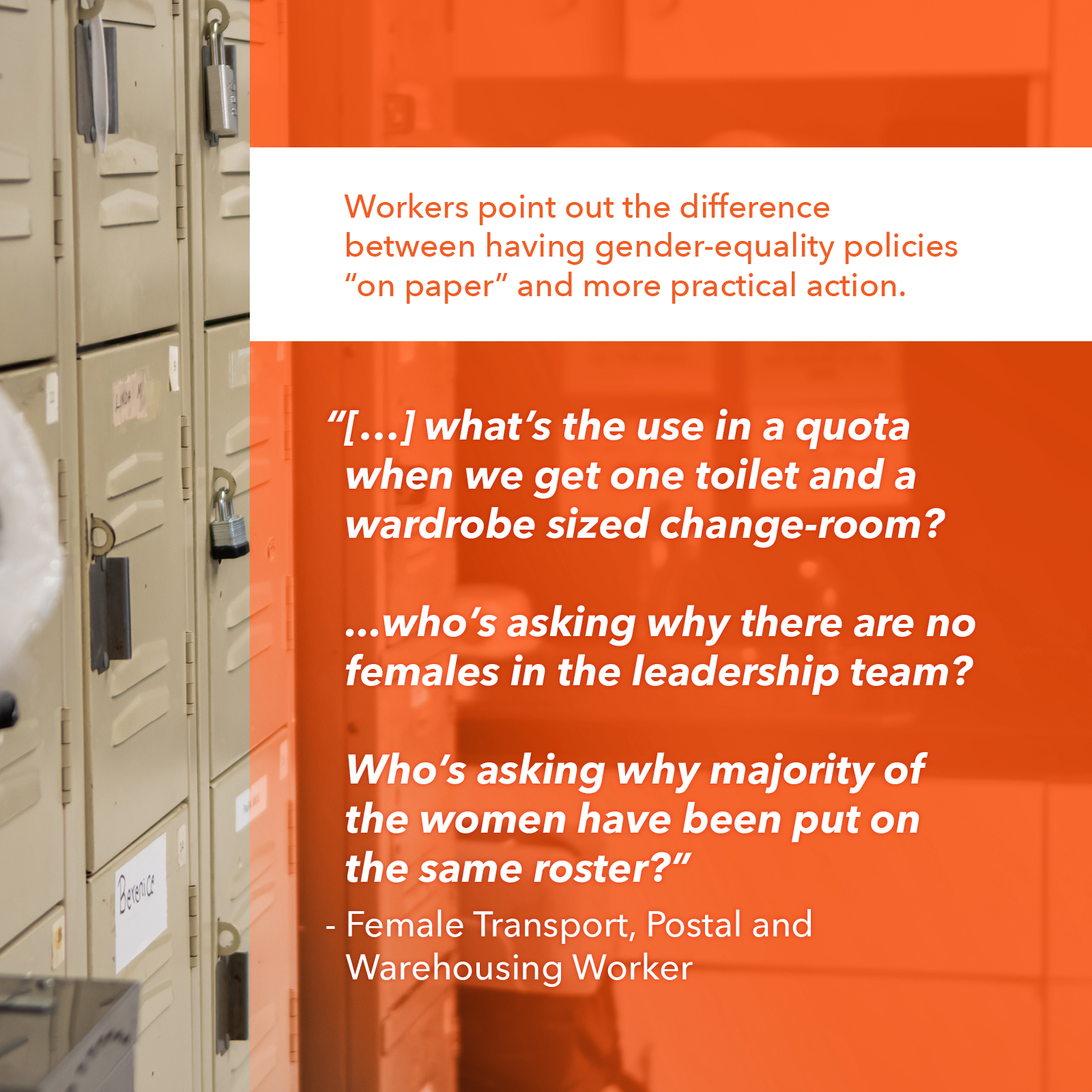
However, women also report that employers are paying "lip service" to gender equity without addressing women workers' clear needs. Lack of appropriate facilities and amenities - such as PPE and uniforms in women's sizes and adequate toilet facilities - was identified as a major barrier to equality, as well as a safety risk for women workers. Women workers also identified the beneficial impact of increased female representation in the workplace and highlighted the need for transparent career progression.
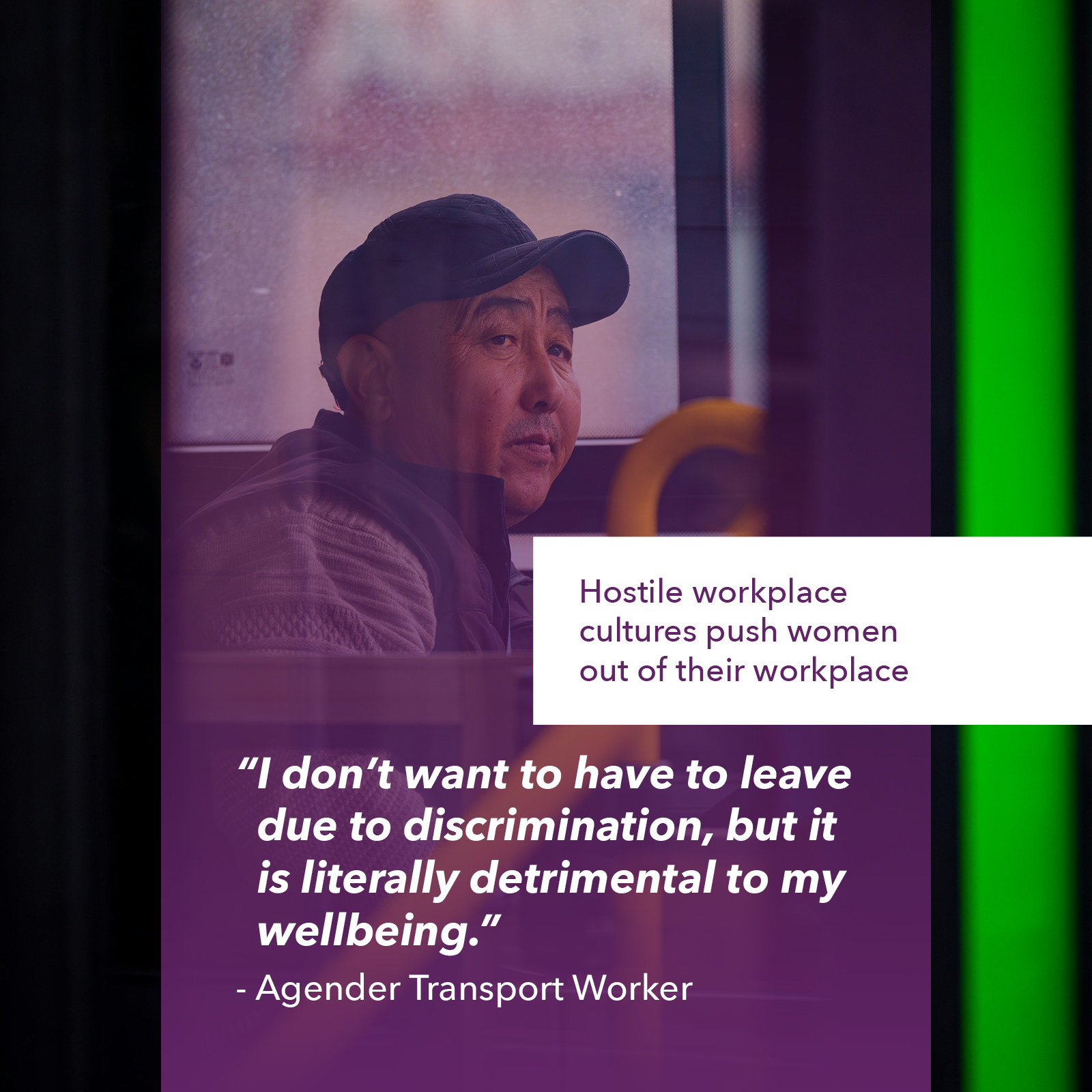
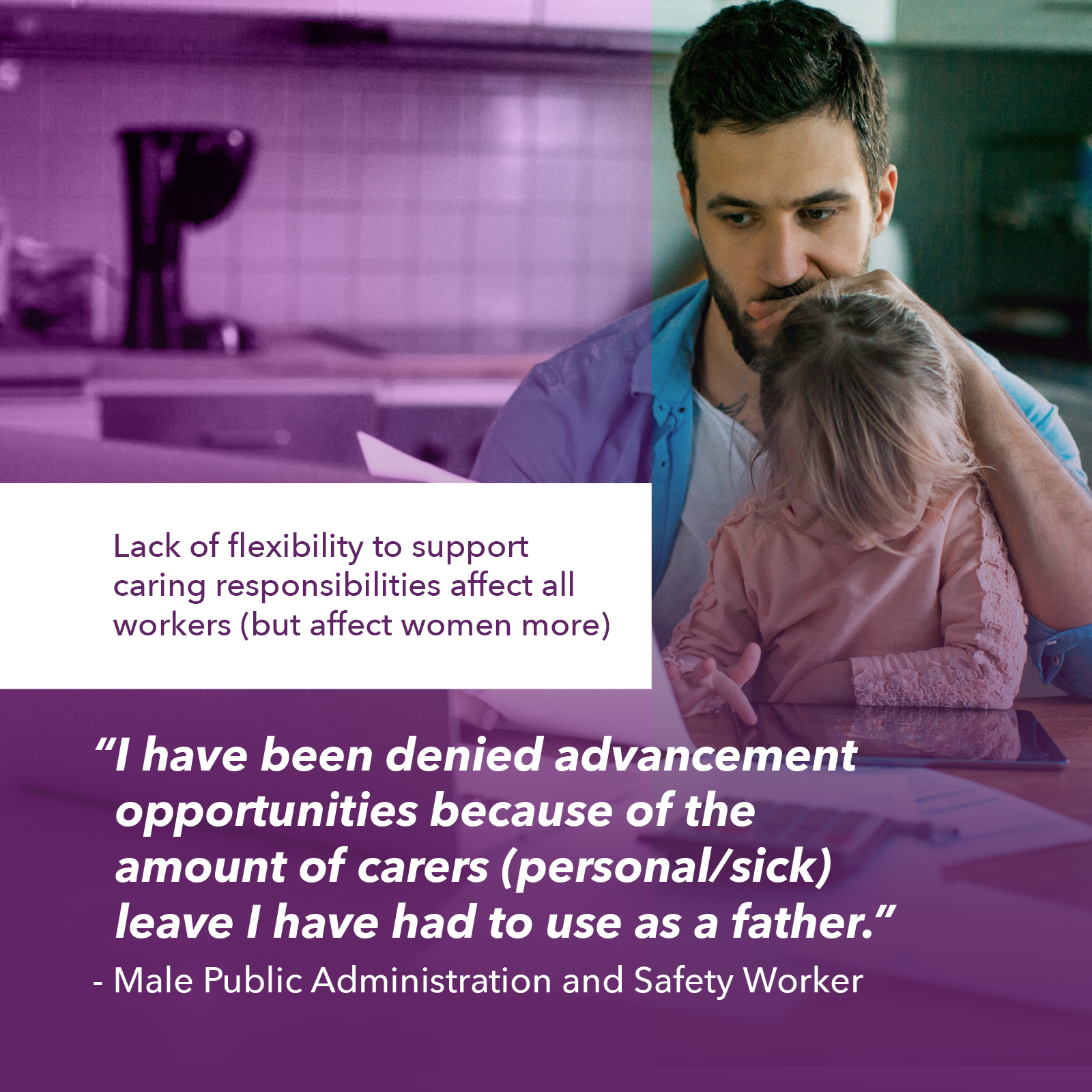
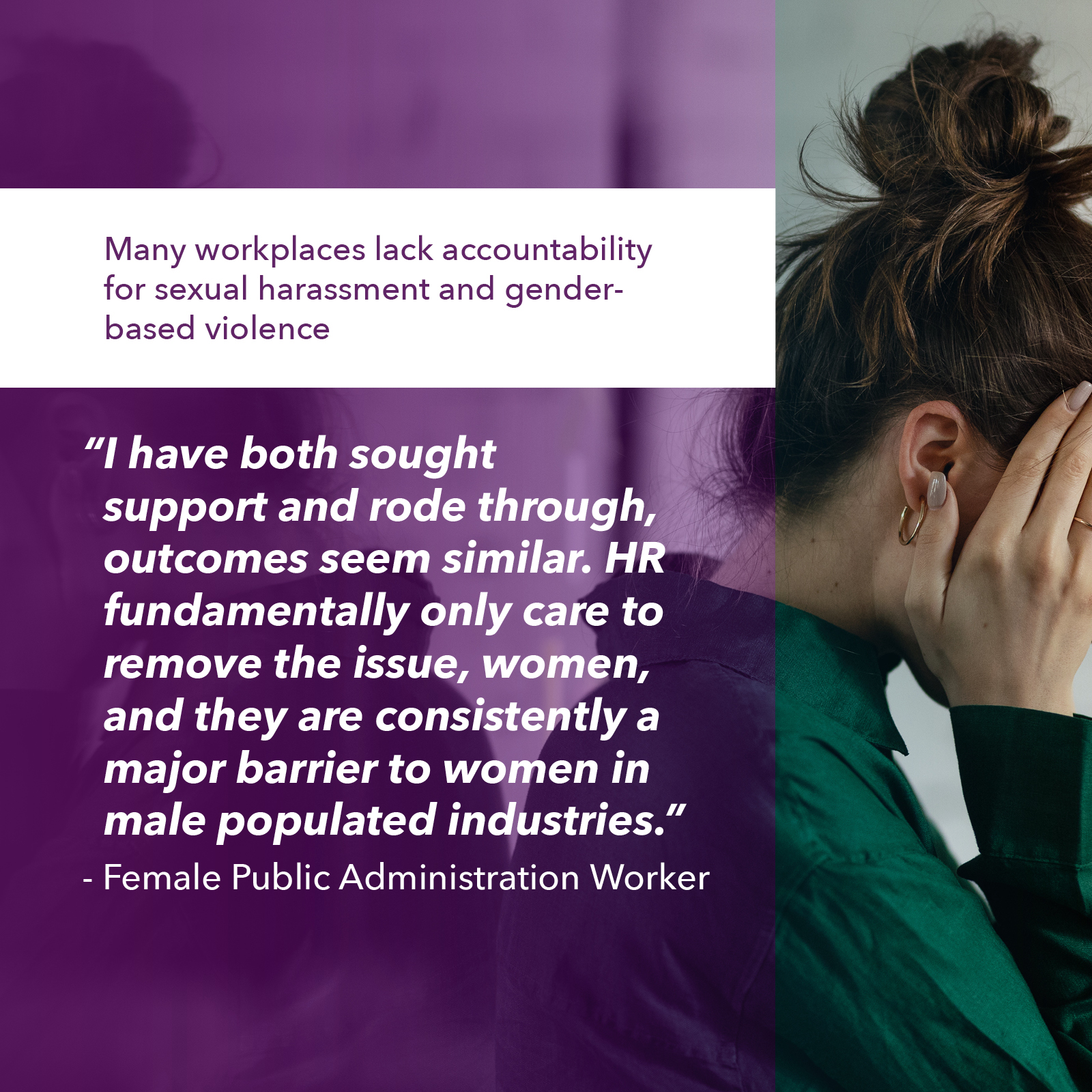
Women continue to face discrimination based on their caring responsibilities, which affects their employment type, career progression, pay, and task assignments. Sexual harassment and gender-based violence are also reported by many women in male-dominated industries. These experiences are exacerbated by hostile workplace cultures and the absence of accountability.
While it is women workers who predominantly experience gender discrimination, the report also notes that men are impacted by limited access to flexible work arrangements and by workplace cultures that normalises bullying and harassment. The report emphasises that workplaces that respect and include women will improve the everyday experiences of all workers, regardless of gender.
Media opportunity: The study will be launched on Friday 5 September at WRAW Con 2025, the annual Women’s Rights at Work Conference at Trades Hall, 54 Victoria St Carlton.
Download the full report here.