

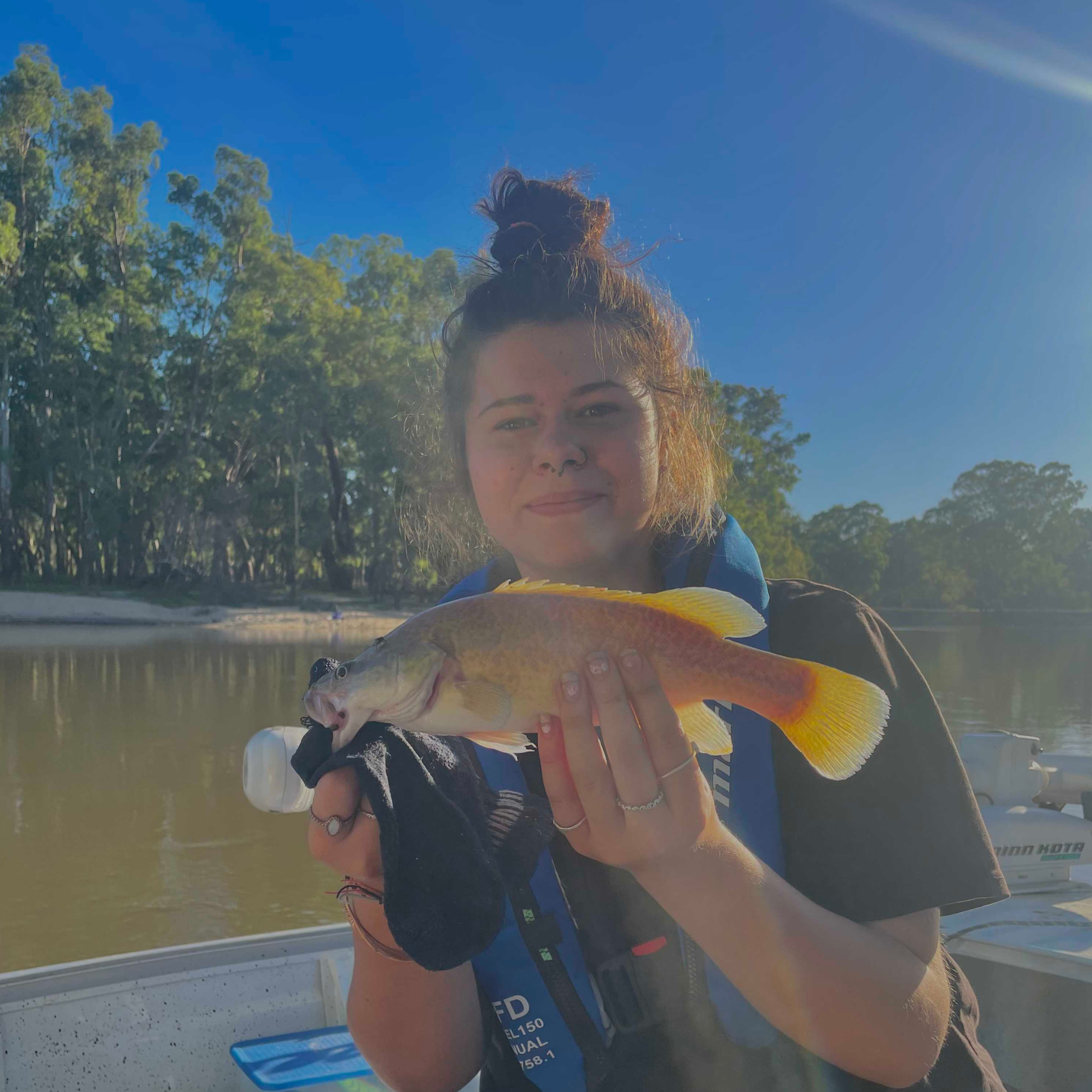
Cherysh was living her dream as an apprentice diesel mechanic in Wodonga. Her employer’s willful negligence changed everything.
Assisted by the Young Workers Centre, Cherysh Bennett is taking a complaint against employer and Wodonga based trucking company Greenfreight to the Australian Human Rights Commission over sexual harassment and sex discrimination in the workplace.
In February, a 67-year-old truck driver was sentenced in the Wodonga Court for his grotesque behaviour including repeated sexual assault of Cherysh, which was described by Magistrate Megan Casey as ‘nothing short of horrifically offensive’.
Cherysh had made multiple complaints about the driver’s behaviour before the assault, which happened while she was instructing another apprentice. Both she and the (male) apprentice brought the assault to the attention of management but their complaint was brushed aside. Management said they “didn’t like to fire good drivers”.
Cherysh has now filed a complaint with the Australian Human Rights Commission over the breach.
“I want Greenfreight to have a hard look at themselves and to change the way they do things. We don’t live in the 1900’s anymore, it’s not okay for these things to happen. Nobody should have to go through the sort of trauma that I’ve been through.”
Every employer has a duty to provide a safe workplace for all employees. Greenfreight should have acted swiftly on Cherysh's first warnings about the perpetrator of gendered violence in their shed and taken immediate steps to address a workplace culture that enabled harassment. If they had, Cherysh might have been able to complete her apprenticeship and continue in a rewarding career. Instead, she is being forced to pursue them in the Human Rights Commission – something she never wanted.
Research by the Workplaces For Women project indicates that women in male-dominated industries are enthusiastic about the job security offered by their roles, and over 70% want more women in their industry.
However, men in these industries are gatekeeping – only 40% of men want more women in their industry.
Just 23% of men are aware of gender inequality in their workplace, which suggests a low level of interest in addressing gendered violence. Men in more gender-balanced workplaces are more likely to see the benefits of gender equality.
Workplaces for Women is focused on bringing change in male-dominated industries. The research is informing future actions for the project, which will include creating standardised aspirational bargaining claims around eliminating gender-based violence, providing bargaining arguments to support their successful uptake, and training Equal Workplace Advocates in male dominated industries – with the same workplace rights as Workplace Delegates.
The Australian Human Rights Commission has advised the Young Workers Centre that a backlog of claims means Cherysh’s case won’t even be looked at for 9 months.
Clearly, women who want to make change in their workplaces cannot rely on the law alone. To stop gendered violence at work we need to organise.
As Cherysh has said,
“It’s not just about compensation; I want others to feel safe to go to work.”
Further resources
Support Cherysh!Across industries, women are refusing to remain silence. They are organising and pushing for change. Like Cherysh, who is taking action in front of the Australian Human Rights Commission after experiencing sexual harassment. Support her! |